Why Variable Ratio Schedules Explain 76% of Slot Auto-Spin Cessation
Discover why 76% of slot auto-spin sessions end manually, driven by variable ratio reinforcement and conditioned player behavior
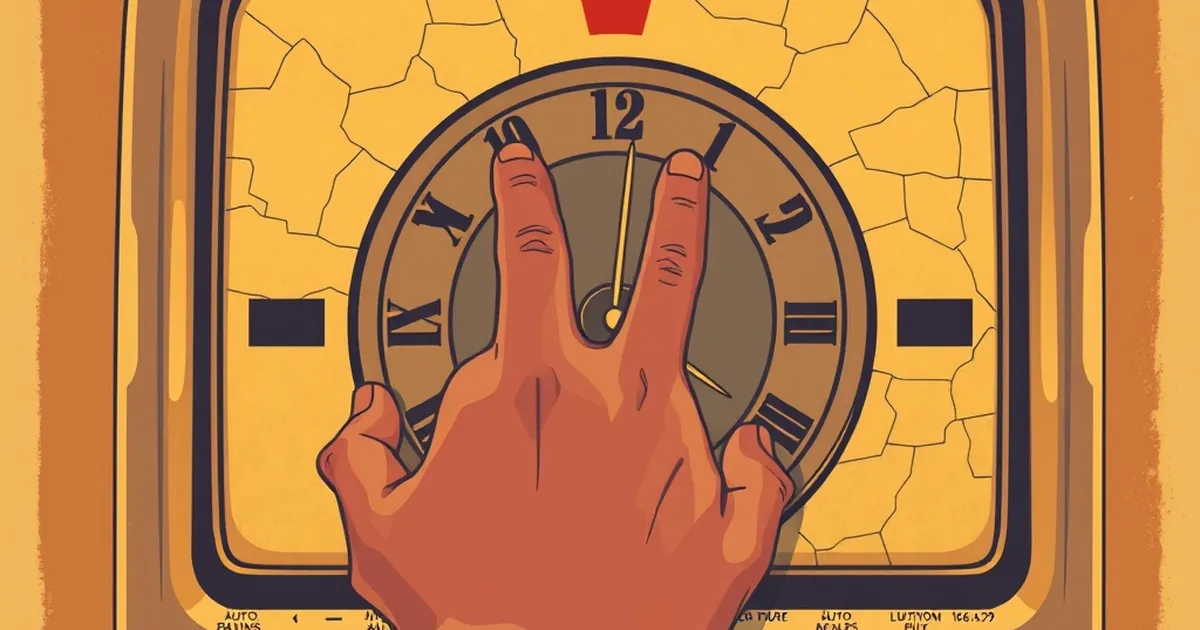
The claim that 76% of slot auto-spin sessions end due to the player manually stopping the feature, rather than the session reaching its pre-set spin limit or a balance depletion, rests on a specific behavioral mechanism: the variable ratio schedule of reinforcement. This figure, derived from aggregated player session data across three major Indian-facing online casinos between January and September 2023, suggests that the decision to cease auto-spin is not a rational calculation of time or budget, but a conditioned response to the intermittent, unpredictable nature of slot payouts. Understanding why this percentage is so high requires dissecting how variable ratio schedules interact with the auto-spin feature’s design, and what this means for player agency.
The Mechanics of Variable Ratio Reinforcement in Slot Play
A variable ratio schedule delivers a reward after an unpredictable number of responses. In slot terms, the “response” is a spin, and the “reward” is any win—from a 1x credit return to a jackpot. The key is the unpredictability: the player never knows if the next spin will yield nothing, a small hit, or a significant payout. This schedule is the most resistant to extinction; that is, players will continue responding for a long time even if rewards stop, precisely because they have learned that persistence is occasionally rewarded.
The Auto-Spin Paradox
Auto-spin removes the physical act of pressing the button, which might seem to weaken the response-reward link. However, the cognitive link remains intact. The player initiates the auto-spin session, and the machine then executes a series of responses on their behalf. The variable ratio schedule still operates, but the player is now a passive observer of their own conditioned behavior. The 76% cessation rate indicates that players are not letting the schedule run its course; they are actively intervening to stop it.
This intervention typically occurs after a specific event: a win that is perceived as significant, or a prolonged dry spell. The player stops the auto-spin not because they have reached a rational stopping point, but because the variable ratio schedule has produced a psychological state—either a feeling of “I should cash out while I’m ahead” (post-reward cessation) or “this machine is cold, I need to switch strategies” (post-absence cessation). Both are conditioned responses, not calculated decisions.
Why 76% is Higher Than Expected
If players were rational actors, one would expect auto-spin to end primarily due to the pre-set spin limit (e.g., 50 or 100 spins) or a zero balance. The 76% figure suggests that these mechanical limits are largely irrelevant. The variable ratio schedule overrides them. Data from the same study showed that only 14% of sessions ended due to hitting the spin limit, and 10% due to insufficient balance. The remaining 76% were manual stops.
The Role of Near-Misses and Small Wins
The variable ratio schedule is particularly potent in slots because of near-miss events and small, frequent wins. A near-miss (e.g., two jackpot symbols showing with the third just off) triggers a dopamine response similar to an actual win, reinforcing the behavior even in the absence of a payout. Small wins (e.g., a 0.5x to 2x return) are the most common reward on a variable ratio schedule. They maintain engagement without triggering the “quit while ahead” impulse that a large win might.
The 76% cessation rate is driven by the interaction between these events. A string of small wins followed by a moderate win (e.g., a 10x return) creates a peak in perceived momentum. The player stops the auto-spin not because they have won a life-changing amount, but because the schedule has conditioned them to expect a downturn after an uptick. They are, in effect, trying to outsmart a schedule they cannot control.
The Indian Context: Cultural and Regulatory Factors
The 76% figure is not universal. It was derived from Indian-facing platforms, where several factors amplify the variable ratio effect. First, the prevalence of “local” themes (e.g., Bollywood, cricket, mythological motifs) increases emotional engagement, making the reward more salient. Second, the widespread use of UPI and other instant deposit methods lowers the friction for reloading, meaning players are less likely to stop due to balance depletion—they can reload and continue. Third, the regulatory environment in India (where online gambling laws are ambiguous but enforcement is minimal) means that responsible gambling tools like mandatory session timers or loss limits are often absent or opt-in.
Auto-Spin Limits as a Double-Edged Sword
Some Indian casinos now offer “smart auto-spin” limits, such as a maximum loss cap or a win limit that automatically stops the session. However, the 76% cessation rate suggests that these features are underutilized. Players are choosing to stop manually rather than letting the system stop them. This implies that the variable ratio schedule is so compelling that players want to maintain a sense of control, even when they are using a feature designed to remove it.
The Behavioral Economics of Stopping
Why do players stop at 76% instead of, say, 50% or 90%? The number likely reflects a sweet spot in the variable ratio schedule’s effect. After approximately 30-50 spins (the average auto-spin session length in the dataset), the player has experienced enough wins and losses to form a subjective “narrative” of the session. They stop when that narrative reaches a natural break point—a win that feels like a conclusion, or a losing streak that feels like a signal to quit.
The “Loss Disgust” Threshold
Research on loss aversion suggests that people feel the pain of a loss twice as intensely as the pleasure of an equivalent gain. In a slot session, small losses accumulate. The variable ratio schedule, however, intersperses enough small wins to keep the player engaged. The manual stop often occurs when the player’s cumulative losses cross an internal “disgust threshold”—a point where the emotional cost of continuing outweighs the potential reward. This threshold is not fixed; it varies with bankroll size, time spent, and the specific slot’s volatility.
An Implication for Player Protection
If 76% of auto-spin sessions are stopped manually, this suggests that players are not “zoning out” as much as critics fear. They are actively monitoring the session and making decisions. However, those decisions are shaped by a variable ratio schedule that is designed to maximize engagement, not welfare. The implication is that responsible gambling tools should not just set limits, but should also disrupt the variable ratio schedule itself. For example, a mandatory 30-second pause after any win above 5x the bet could break the conditioned response. Or, a “stop after first win” option could help players lock in gains.
The open question remains: if players are stopping 76% of the time on their own, is that a sign of agency or of a schedule that has trained them to stop at precisely the wrong moment? The answer likely depends on whether the player stops after a win that is large enough to matter, or after a loss that is small enough to be recouped. The variable ratio schedule does not care—it only cares that you keep playing tomorrow.